
Reset Practices After Chicken Plus Game Losses in UK
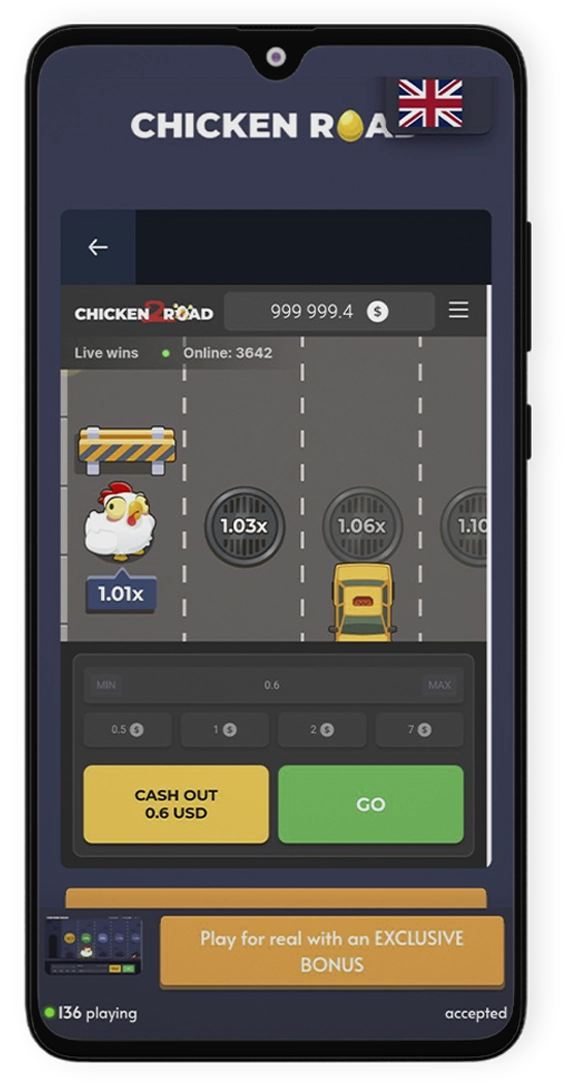
Having reviewed plenty of gaming sites and how they influence people, I recognize the time after a big loss as something players often overlook, but shouldn’t. Engaging with something like table games chicken plus game offer for new members can be entertaining, but a tough loss can leave you wanting to reset mentally and financially. This article explores some solid, practical steps for players in the UK. It’s not just generic tips. These are real actions you can implement to find your footing again, get some perspective, and build a healthier approach to gaming that fits with life here.

Digital Detox and Profile Control
Once you have checked the numbers, it is time to organize your digital space. Start by signing out of your Chicken Plus Game account. Go a step further and delete any saved card details from the site. Opt out from their promo emails and text alerts—those “promo messages!” messages are intended to lure you back. Remember, as a UK resident you can use GamStop to self-exclude from all licensed operators. It is a serious tool that guarantees a proper break.
Look beyond just the gaming site. Take a moment to mute or unfollow social media accounts that constantly share about big wins or new games. That content builds a fake picture where everyone is winning but you, which just fuels the urge. The point of this digital tidy-up is to establish a quiet zone. When you quiet the constant buzz of gaming chances, your brain is able to reset. You break the habit of mindlessly opening an app just because a notification alerted you to.
Seeking Community and Professional Support Networks
A effective cleanse that people often miss is talking to someone. Bearing a loss by yourself makes it become heavier. Have a choice to open up. In the UK, that might mean finally telling a mate or a family member what’s going on, even if it goes against our habit to keep problems private. Online forums where people share similar stories can also aid a lot. They make your feelings seem normal, which cuts down the shame.
For more direct help, professional resources are there for a reason. Charities like GamCare offer free, confidential advice for gambling issues. Consulting one of their advisors, or even considering therapy, is a powerful act of looking after yourself. It clears the internal monologue by bringing in a compassionate, outside voice. This isn’t holding up a white flag. It’s a wise move to get proper tools and understanding, so you’re not relying on willpower alone.
Rediscovering Tangible, Physical Hobbies
Nature dislikes emptiness, and so does your free time. When you scale down gaming, you need something else to do. Choose hobbies you can touch. Games like Chicken Plus Game happen on a screen; you need an antidote that’s in the real world. That could be gardening, putting together a model kit, trying a new recipe, or fixing something around the house. Here in the UK, we’re lucky to have loads of public footpaths. A long walk, or joining a local five-a-side team, blends physical activity with a bit of social contact, which is doubly good.
These kinds of activities reward you differently. The satisfaction comes slowly, from learning a skill, seeing a physical result, or sharing a laugh with mates. It’s not the same as the quick, shaky rush of a gaming win. This swap refreshes your mental palate. It retrains your brain to appreciate slower, steadier kinds of achievement and helps rebalance what you expect from having a good time.
Understanding the Mental Effect of a Setback

You need to begin with admitting how a loss really feels. It’s beyond just the money departing your account. It’s that clench of frustration, the nagging voice of remorse, and the anticlimax after the anticipation. In the UK, we’re often instructed to maintain a stiff upper lip, which can mean suppressing these sentiments up. That just lets negative thoughts circle around in your head. Seeing this emotional hangover for what it is—a normal human response to letdown—is where purification begins. It assists you separate your self-esteem from a game’s conclusion, which creates space to actually heal.
Try monitoring your thoughts without getting caught by them. Pay attention to what your mind throws at you straight after a loss, like “I knew I should have quit” or “Next time I’ll recover it.” These are traps. When you label them as just thoughts, not orders or truths, they commence to shed their hold. This simple act of noticing is a detox for your mind. It cuts through the emotional clutter and lets you think more clearly, which you’ll require before you touch anything to do with your budget.
Systematic Budget Reassessment and Strategy
With a clearer head from your digital break, you can effectively look at your money. Consider this not as a penalty, but as taking back the reins. Apply that number from your audit. Divide your spending into categories and be realistic about it. Set solid amounts for your bills, your savings, and your fun money. For that fun money, determine consciously how much of it is for entertainment, and handle that as a hard monthly limit.
Tools like the MoneyHelper budget planner from the UK government can provide you a template. The refreshing part here is in the process. Sitting down, making a plan, and then tracking your spending converts it from something emotional into something you manage. It eliminates the impulsive spending that comes with trying to chase a loss. Being aware of where every pound is going develops a kind of financial confidence that prevents you making panicky decisions later on.
Establishing New Rituals and Healthy Reinforcement
To make all this stick, build new routines to take the place of the old ones. Your brain likes habits, so provide it with better ones. That could be a money check-in every Sunday night, a daily walk where you stash your phone at home, or carving out time for a hobby when you’d usually game. The secret is to be consistent and do it on purpose. These rituals reinforce your new normal, brick by brick.
Make sure you acknowledge the small wins. Stuck to your budget for a week? That’s a win. Managed a full month without logging in? That’s a big win. Appreciating this stuff reinforces the new pathways in your brain. This is the final stage of the cleanse. You’re not just dropping a bad habit anymore; you’re actively building good ones. After a while, the steady satisfaction from these controlled achievements can feel better than the past rollercoaster of gaming.
Long-Term Outlook and Continuous Evaluation
The last part is to embrace the long perspective and maintain reassessing with yourself. Cleansing isn’t a one-time purge. It’s similar to consistent maintenance. Create a alert for a monthly or three-month examination of your state of mind, your funds, and how effectively you’re adhering to your own principles. Pose yourself plainly: “Is my present approach to gaming like Chicken Plus Game positive?” “Are my leisure pastimes actually restful, or are they creating me tension?”
This larger view stops a individual slip-up from appearing like the finish of the world. It positions everything as part of an continual endeavor in self-awareness and sensible money administration, which aligns rather neatly with typical British pragmatism. The goal isn’t automatically to stop forever. For many, it’s about reaching a place where any subsequent gaming is a conscious, planned decision. By periodically reviewing, you maintain your outlook clear. That approach, your entertainment enhances to your lifestyle instead of taking from it.
Frequently Raised Inquiries on Post-Loss Methods
People are inclined to ask the similar handful of questions when they start on these steps. This segment handles those straightforwardly, with direct responses to back up the advice in the main text. The idea is to clear up any uncertainty and underline the tenets of a consistent, enduring restoration.
How long should my first cooling-off interval endure?
There’s no such thing as a magic number that suits everyone. From what I’ve seen, a good baseline is a complete month, or a complete pay cycle. This provides you with time to disconnect emotionally from the loss, go through a normal month without that spending, and complete your first budget review. For a lot of people, extending that to 90 days works even better. It solidifies the new habits and delivers a proper psychological reset, cleanly breaking the old cycle.
Is it sensible to attempt to recover my losses gradually?
Considering “winning back” what you lost is the most common and dangerous trap. It’s called chasing losses, and it destroys the entire cleansing process. It holds you mentally and financially tied to the past. You need a clean break. Consider that lost money as the cost of a night out that went over budget. If you opt to play again in future, it should be with fresh, affordable money set aside for fun, not with the goal of settling an old debt. This is a fundamental rule for playing responsibly in the UK.
When is it time to consider professional help a necessity?
Think about getting professional help if you persist in breaking the limits you set for yourself, if gaming is causing real stress or hurting your personal life or job, or if you’re using it to escape other problems. In the UK, services like GamCare are the best first call. If you’ve tried self-exclusion and it hasn’t worked, or if you’re feeling consistently low or anxious, reaching out is the constructive thing to do. It shows strength, not weakness. It’s no different from seeing a financial advisor if your debts are accumulating.
The Quick Financial Freeze and Review
The first concrete move is a full stop on spending. Establish a personal rule: no more deposits on Chicken Plus Game or any similar site for a set time. As you do that, open your banking app or e-wallet and look at your history. UK banking tools make this easy. Total exactly what went out during that loss period. Avoid doing this to beat yourself up. Perform it to get a plain, factual number that shows where you’re starting from.
That complete sum is a bucket of cold water. It lifts you of the fuzzy regret and plants you in the real world. A loss stops being just a bad feeling and becomes a clear number on a screen. That’s useful. It allows you draw a firm line under what happened. This step isn’t about wallowing. It’s about saying “that was then” so you can build a new, solid financial starting point for what comes next.
Mindfulness and Journaling Practices
To address the mental habits that motivate you, practice mindfulness and keeping a diary. Mindfulness is focused on anchoring yourself in the here and now, often by focusing on your breath. Tools like Headspace can lead you, but even a few minutes of quiet breathing can break those stressful feelings about yesterday’s loss or tomorrow’s potential win. It carves out a peaceful space in your mind, apart from the noise of the game.
Combine this with some reflective journaling. Avoid simply dwelling. Write intentionally. Ask yourself questions: “What mood was I in when I started the session?” “What was my threshold, and what made me blow past it?” Writing forces you to slow down and organize your thoughts. It also establishes a history. Over weeks, you’ll begin to notice your own triggers and patterns emerge in your notes. This process surfaces hidden thoughts, where you can truly comprehend and address it.
Having reviewed plenty of gaming sites and how they influence people, I recognize the time after a big loss as something players often overlook, but shouldn’t. Engaging with something like table games chicken plus game offer for new members can be entertaining, but a tough loss can leave you wanting to reset mentally and financially. This article explores some solid, practical steps for players in the UK. It’s not just generic tips. These are real actions you can implement to find your footing again, get some perspective, and build a healthier approach to gaming that fits with life here.
Digital Detox and Profile Control
Once you have checked the numbers, it is time to organize your digital space. Start by signing out of your Chicken Plus Game account. Go a step further and delete any saved card details from the site. Opt out from their promo emails and text alerts—those “promo messages!” messages are intended to lure you back. Remember, as a UK resident you can use GamStop to self-exclude from all licensed operators. It is a serious tool that guarantees a proper break.
Look beyond just the gaming site. Take a moment to mute or unfollow social media accounts that constantly share about big wins or new games. That content builds a fake picture where everyone is winning but you, which just fuels the urge. The point of this digital tidy-up is to establish a quiet zone. When you quiet the constant buzz of gaming chances, your brain is able to reset. You break the habit of mindlessly opening an app just because a notification alerted you to.
Seeking Community and Professional Support Networks
A effective cleanse that people often miss is talking to someone. Bearing a loss by yourself makes it become heavier. Have a choice to open up. In the UK, that might mean finally telling a mate or a family member what’s going on, even if it goes against our habit to keep problems private. Online forums where people share similar stories can also aid a lot. They make your feelings seem normal, which cuts down the shame.
For more direct help, professional resources are there for a reason. Charities like GamCare offer free, confidential advice for gambling issues. Consulting one of their advisors, or even considering therapy, is a powerful act of looking after yourself. It clears the internal monologue by bringing in a compassionate, outside voice. This isn’t holding up a white flag. It’s a wise move to get proper tools and understanding, so you’re not relying on willpower alone.
Rediscovering Tangible, Physical Hobbies
Nature dislikes emptiness, and so does your free time. When you scale down gaming, you need something else to do. Choose hobbies you can touch. Games like Chicken Plus Game happen on a screen; you need an antidote that’s in the real world. That could be gardening, putting together a model kit, trying a new recipe, or fixing something around the house. Here in the UK, we’re lucky to have loads of public footpaths. A long walk, or joining a local five-a-side team, blends physical activity with a bit of social contact, which is doubly good.
These kinds of activities reward you differently. The satisfaction comes slowly, from learning a skill, seeing a physical result, or sharing a laugh with mates. It’s not the same as the quick, shaky rush of a gaming win. This swap refreshes your mental palate. It retrains your brain to appreciate slower, steadier kinds of achievement and helps rebalance what you expect from having a good time.
Understanding the Mental Effect of a Setback
You need to begin with admitting how a loss really feels. It’s beyond just the money departing your account. It’s that clench of frustration, the nagging voice of remorse, and the anticlimax after the anticipation. In the UK, we’re often instructed to maintain a stiff upper lip, which can mean suppressing these sentiments up. That just lets negative thoughts circle around in your head. Seeing this emotional hangover for what it is—a normal human response to letdown—is where purification begins. It assists you separate your self-esteem from a game’s conclusion, which creates space to actually heal.
Try monitoring your thoughts without getting caught by them. Pay attention to what your mind throws at you straight after a loss, like “I knew I should have quit” or “Next time I’ll recover it.” These are traps. When you label them as just thoughts, not orders or truths, they commence to shed their hold. This simple act of noticing is a detox for your mind. It cuts through the emotional clutter and lets you think more clearly, which you’ll require before you touch anything to do with your budget.
Systematic Budget Reassessment and Strategy
With a clearer head from your digital break, you can effectively look at your money. Consider this not as a penalty, but as taking back the reins. Apply that number from your audit. Divide your spending into categories and be realistic about it. Set solid amounts for your bills, your savings, and your fun money. For that fun money, determine consciously how much of it is for entertainment, and handle that as a hard monthly limit.
Tools like the MoneyHelper budget planner from the UK government can provide you a template. The refreshing part here is in the process. Sitting down, making a plan, and then tracking your spending converts it from something emotional into something you manage. It eliminates the impulsive spending that comes with trying to chase a loss. Being aware of where every pound is going develops a kind of financial confidence that prevents you making panicky decisions later on.
Establishing New Rituals and Healthy Reinforcement
To make all this stick, build new routines to take the place of the old ones. Your brain likes habits, so provide it with better ones. That could be a money check-in every Sunday night, a daily walk where you stash your phone at home, or carving out time for a hobby when you’d usually game. The secret is to be consistent and do it on purpose. These rituals reinforce your new normal, brick by brick.
Make sure you acknowledge the small wins. Stuck to your budget for a week? That’s a win. Managed a full month without logging in? That’s a big win. Appreciating this stuff reinforces the new pathways in your brain. This is the final stage of the cleanse. You’re not just dropping a bad habit anymore; you’re actively building good ones. After a while, the steady satisfaction from these controlled achievements can feel better than the past rollercoaster of gaming.
Long-Term Outlook and Continuous Evaluation
The last part is to embrace the long perspective and maintain reassessing with yourself. Cleansing isn’t a one-time purge. It’s similar to consistent maintenance. Create a alert for a monthly or three-month examination of your state of mind, your funds, and how effectively you’re adhering to your own principles. Pose yourself plainly: “Is my present approach to gaming like Chicken Plus Game positive?” “Are my leisure pastimes actually restful, or are they creating me tension?”
This larger view stops a individual slip-up from appearing like the finish of the world. It positions everything as part of an continual endeavor in self-awareness and sensible money administration, which aligns rather neatly with typical British pragmatism. The goal isn’t automatically to stop forever. For many, it’s about reaching a place where any subsequent gaming is a conscious, planned decision. By periodically reviewing, you maintain your outlook clear. That approach, your entertainment enhances to your lifestyle instead of taking from it.
Frequently Raised Inquiries on Post-Loss Methods
People are inclined to ask the similar handful of questions when they start on these steps. This segment handles those straightforwardly, with direct responses to back up the advice in the main text. The idea is to clear up any uncertainty and underline the tenets of a consistent, enduring restoration.
How long should my first cooling-off interval endure?
There’s no such thing as a magic number that suits everyone. From what I’ve seen, a good baseline is a complete month, or a complete pay cycle. This provides you with time to disconnect emotionally from the loss, go through a normal month without that spending, and complete your first budget review. For a lot of people, extending that to 90 days works even better. It solidifies the new habits and delivers a proper psychological reset, cleanly breaking the old cycle.
Is it sensible to attempt to recover my losses gradually?
Considering “winning back” what you lost is the most common and dangerous trap. It’s called chasing losses, and it destroys the entire cleansing process. It holds you mentally and financially tied to the past. You need a clean break. Consider that lost money as the cost of a night out that went over budget. If you opt to play again in future, it should be with fresh, affordable money set aside for fun, not with the goal of settling an old debt. This is a fundamental rule for playing responsibly in the UK.
When is it time to consider professional help a necessity?
Think about getting professional help if you persist in breaking the limits you set for yourself, if gaming is causing real stress or hurting your personal life or job, or if you’re using it to escape other problems. In the UK, services like GamCare are the best first call. If you’ve tried self-exclusion and it hasn’t worked, or if you’re feeling consistently low or anxious, reaching out is the constructive thing to do. It shows strength, not weakness. It’s no different from seeing a financial advisor if your debts are accumulating.
The Quick Financial Freeze and Review
The first concrete move is a full stop on spending. Establish a personal rule: no more deposits on Chicken Plus Game or any similar site for a set time. As you do that, open your banking app or e-wallet and look at your history. UK banking tools make this easy. Total exactly what went out during that loss period. Avoid doing this to beat yourself up. Perform it to get a plain, factual number that shows where you’re starting from.
That complete sum is a bucket of cold water. It lifts you of the fuzzy regret and plants you in the real world. A loss stops being just a bad feeling and becomes a clear number on a screen. That’s useful. It allows you draw a firm line under what happened. This step isn’t about wallowing. It’s about saying “that was then” so you can build a new, solid financial starting point for what comes next.
Mindfulness and Journaling Practices
To address the mental habits that motivate you, practice mindfulness and keeping a diary. Mindfulness is focused on anchoring yourself in the here and now, often by focusing on your breath. Tools like Headspace can lead you, but even a few minutes of quiet breathing can break those stressful feelings about yesterday’s loss or tomorrow’s potential win. It carves out a peaceful space in your mind, apart from the noise of the game.
Combine this with some reflective journaling. Avoid simply dwelling. Write intentionally. Ask yourself questions: “What mood was I in when I started the session?” “What was my threshold, and what made me blow past it?” Writing forces you to slow down and organize your thoughts. It also establishes a history. Over weeks, you’ll begin to notice your own triggers and patterns emerge in your notes. This process surfaces hidden thoughts, where you can truly comprehend and address it.