
Buffalo Mania Megaways Game Structure Explained

After many years of analyzing online slots, I’ve realized that grasping how a game is designed transforms how you approach it. You stop just wishing and begin seeing the workings behind the screen. Let’s explore the design of Buffalo Mania Megaways. This slot is more than a pretty theme; it’s a sophisticated creation based on Big Time Gaming’s famous Megaways platform. I aim to remove the graphics and sound to demonstrate you the fundamental mechanics that drive every spin, win, and bonus. When you comprehend how the falling reels function, the changing reel modifier, and the maths fueling the free spins, you’ll perceive the game’s genuine depth. This isn’t about ensuring a win—it’s about understanding what’s possible. So let’s look at each piece that makes Buffalo Mania Megaways distinguish itself.
The Core Megaways Engine: A Flexible Reel Model
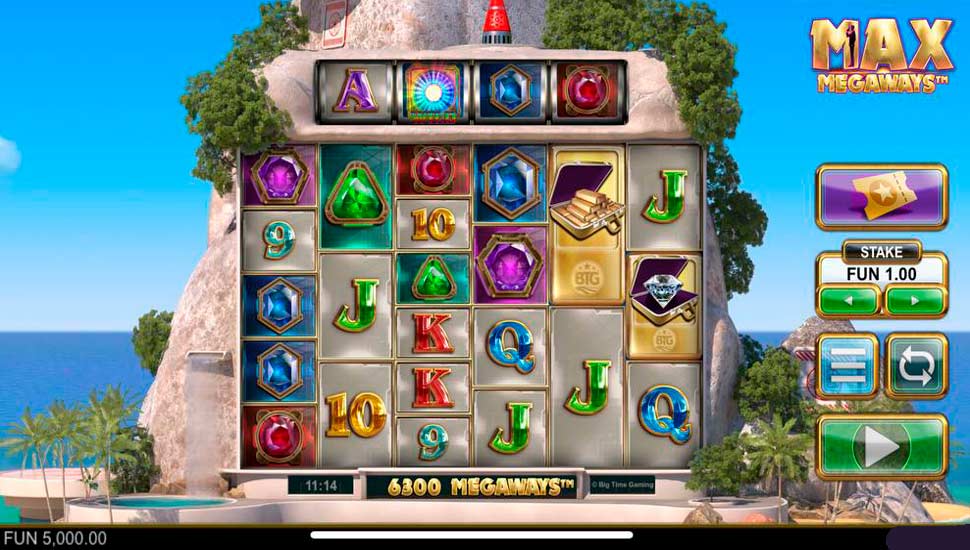
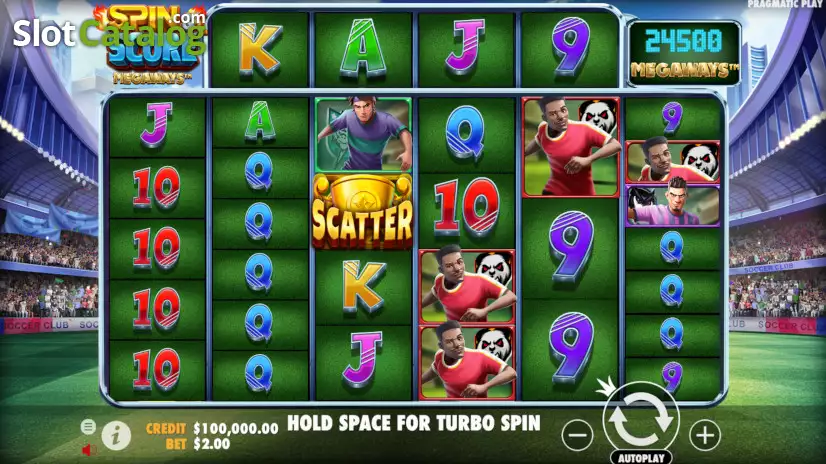
Buffalo Mania Megaways uses an engine provided by Big Time Gaming. This system transformed slots for good. Forget static reels with the identical count of symbols every time. Here, each reel can display a distinct amount of symbols on any given spin, typically between two and seven. This layout changes anew with every spin. The result is a huge number of potential winning combinations, up to 117,649 when the grid is at its largest. But the point isn’t just a big number. It’s about how those symbols connect. Every symbol position is its own entity. A win requires matching symbols on neighbouring reels, starting from the leftmost one. Because each reel’s height is constantly shifting, the playing field is always different. This shifting grid is the basis of the game, making sure no two spins are ever identical.
How the Falling Reels System Works Together
The Megaways engine operates in tandem with a cascading reels system, often referred to as tumbling reels or avalanches. This combination is where the magic happens. When you achieve a winning combination, those particular symbols are removed from the grid. The game’s code then causes symbols from above descend to fill the gaps, and new symbols descend into the empty spaces at the top. This tumble can spark a chain reaction of wins from your initial spin. In technical terms, this mechanism is a major driver of the game’s volatility. It enables you to achieve multiple payouts from a single bet, and it’s the principal means you build the multiplier in the bonus round. The cascade continues until no new wins appear.
Symbol Control During a Cascade Sequence
The game needs to process symbols very precisely during a cascade. It’s not just an animation. The server calculates the new symbol for each position as it opens up. The order is critical: first, the winning symbols are found and removed, then the remaining symbols shift down, and finally, new symbols are generated for the top rows. All of this takes place in milliseconds. And here’s the smart part: those new symbols follow the same Megaways rule. Each new segment of a reel can once again be between two and seven symbols high. So the grid can truly alter its shape mid-cascade, which might unlock even more ways to win on the next tumble.
Symbol Ranking and Winning Math
A slot’s mechanics is founded on its symbols and what they pay. Buffalo Mania Megaways sets up a distinct ranking. The lower-value symbols are the traditional card suits—10, J, Q, K, and A—designed to match the wild theme. The high-value symbols are the animals: the eagle, the wolf, the elk, and the mighty buffalo as the best reward. The buffalo symbol offers the highest payout. The clever part is how payouts are calculated under the Megaways system. You must have matching symbols on successive reels starting from the left. But because a one reel can have several rows, you can get numerous versions of the identical symbol on one reel. Each copy adds to the total number of ways that symbol can form a winning line.
- Top Symbols (Animals): The Buffalo, Elk, Wolf, and Eagle. The Buffalo is the premium, delivering the biggest reward for five-of-a-kind across a payline.
- Intermediate Symbols (Card Suits): The A, K, Q, J, and 10 symbols provide regular, minor rewards that support gameplay balance.
- Unique Symbols: The Golden Coin scatter symbol and the Sunset Wild symbol. The Wild stands in for all standard symbols but has its own unique purpose in the bonus game.
- Payout Calculation: The game’s software multiplies the quantity of matching symbols on reel 1 by those on reel 2, and so on, for each successful combination route. Your total win is the sum of all such paths for that spin.
Bonus Round Structure: Activation and Functionality
The free spins bonus round is where Buffalo Mania Megaways gets really intricate. Learning how it initiates and functions is crucial. You initiate it by getting four or more Golden Coin scatter symbols in any position on the reels in one spin. The probability of this taking place is built into the game’s Return to Player (RTP) model to ensure things engaging but balanced. Once you’re in, you obtain 8 free spins to begin. The game changes to a distinct set of rules here. The biggest change is an boundless, rising win multiplier. It commences at 1x and increases by 1 with every cascading win that takes place during the bonus. This multiplier never resets between spins. It just increases steadily until your free spins end.
The Role of the Sunset Wild Symbol in the Bonus
In the bonus round, the Sunset Wild symbol gets an enhancement. This is a clever piece of modular design. During free spins, any Wild that hits remains in place for the rest of the bonus. More than that, each sticky wild has its own multiplier value—2x, 3x, or 4x. This multiplier applies to any win that wild is contributing to. Consider it a two-tier modifier. The wilds become fixed, making it simpler to form winning connections as the grid becomes populated. At the same time, their individual multipliers are integrated into the win calculation before the global cascading win multiplier is implemented. This stacking of multipliers is the way the game reaches its maximum potential payouts.
Retriggering the Free Spins
The game’s design lets you reactivate free spins while you’re already in the bonus round. You achieve this by getting three or more new scatter symbols on a single spin during your free games. The number of scatters awards you extra spins: three scatters award 5 more, four give 8, five give 12, and six award a massive 20 extra spins. This retrigger mechanic accomplishes two things. First, it can significantly lengthen your period in the high-potential bonus round, which is a major draw for players. Second, it strongly determines the game’s volatility. A good retrigger gives you more time for the global win multiplier to expand and for more sticky wilds to hit, paving the way for a massive win.
Volatility, RTP, and Betting Configuration
To really get the architecture, you need to consider the statistical backbone: volatility and Return to Player (RTP). This game is designed as a high-volatility slot. That means wins won’t come, but when they do, they can be significantly bigger than your average bet. This high volatility comes right from the systems we’ve talked about: the dynamic Megaways reels, the cascading wins, and the climbing multiplier in the bonus. These features generate a game of big swings. The published RTP for this title is typically around 96.50%, which lies well within the industry standard. That number is the theoretical percentage of all wagered money the game will return to players over a very long period.
- Betting Flexibility: The game is designed to serve a wide range of players through its configurable bet settings. You can modify both the coin value and the overall bet level, allowing for fine control over your total stake per spin.
- Autoplay Functionality: The architecture includes a robust autoplay module where you can set a fixed number of spins to play automatically, with optional loss and single win limits to control your session.
- Game Rules & Information: Accessible via the menu, this section gives the official paytable, a detailed explanation of the bonus features, and the verified RTP and volatility ratings.
Technical Execution and Cross-Platform Design
Beyond the game logic, the technical aspect of Buffalo Mania Megaways guarantees it performs smoothly on any device. The game is built with HTML5 technology. It runs straight from your web browser or casino app, no old plugins like Flash needed. This brings some big advantages. It works if you are using a Windows PC, a Mac, an Android phone, or an iPad. The game’s responsive design analyzes your screen size and orientation, then tailors the layout and graphics to fit. Performance is also optimized precisely. The developers harmonized visual quality with efficient code so the game runs smoothly even on phones with less power. Load times are short, and spin results come back from the game server almost instantly.
Sound and Sight Design Combination
You can’t mention the architecture without highlighting how the sights and sounds enhance the game experience. The graphics employ a warm colour palette of sunset oranges, prairie gold tones, and deep blues to sell the North American wilderness setting. The symbols are rendered semi-realistically, which makes them easy to distinguish during the fast tumbling motion—a practical design decision. The audio is just as carefully crafted. The base game has a calm, atmospheric soundtrack with quiet wildlife sounds, providing a impression of wide-open spaces. This calm forms a sharp juxtaposition with the audio that occur during wins and bonus rounds. A distinct, dynamic sound happens with each cascade, and the shift into free spins is accompanied by a dramatic music change and visual effects.
Strategic Considerations and Gamer Direction
Once you understand how the game is designed, you’ll wonder how to play it. No strategy can beat the random number generator, but knowing the architecture leads to smarter play. The high-volatility design makes bankroll management your top priority. My recommendation is to set a budget that lets you play for a while, so the game’s natural swings have room to happen. The autoplay feature with loss and win limits is a great tool for maintaining that budget. Also, understanding the bonus trigger is completely random helps you avoid the trap of pursuing it. The most satisfying sessions usually come from patient play in the base game, waiting for a bonus round where the architecture can really show off.
- Bankroll Management: Set a session budget that allows for several hundred spins. This helps you weather the dry spells that come with high volatility.
- Use Autoplay Limits: Set single win and loss limits in the autoplay menu. This streamlines your session control and promotes responsible play.
- Focus on Enjoyment: Treat the game as entertainment first. Savor the engineering behind each cascade and feature trigger. Any wins are a bonus on top of that.
Common Architectural Queries Common Questions
Players regularly ask me the common questions about how this game is structured. I’ll cover a few from an architectural angle to clear up some common confusion. These questions typically focus on how chance-based the features appear, the truth about maximum wins, and reasonable ways to play. Describing the principles behind it should clarify things and set realistic expectations. Keep in mind, understanding the architecture helps you enjoy the game, but it doesn’t change the fundamental randomness of each spin.
Is the bonus round truly random, or is it on a timer?
This counts a lot. The bonus round trigger is entirely random on a per-spin basis, managed by the RNG. There’s no secret timer or “due” system. Every spin has its own separate chance of landing the four or more scatters you need. The game’s architecture uses a probability model where that event is quite rare, which fits the high-volatility design. It might seem like a bonus is overdue after a long session, but that’s just how probability works sometimes. The game doesn’t track your past spins to change future ones.
What is the actual potential for hitting the maximum win?
The maximum win, often advertised as a huge multiplier of your bet, is a theoretical limit set in the game’s maths https://buffalo-demo.com/buffalo-mania-megaways/. To actually hit it, you’d need a perfect series of events: trigger the bonus, retrigger it multiple times to get more spins, fill the grid with high-value buffalo symbols, and land lots of high-multiplier sticky wilds while the global multiplier shoots up. The odds of that specific sequence are extremely low. It serves to show the game’s upper limit and to create anticipation. It is not something you should expect to see in a normal session.
Is there an ideal betting strategy for this game’s architecture?
Since the core mechanic is random and each spin is unconnected, no betting strategy can change the result of a spin. But understanding the architecture can lead to better bankroll management. Because this is a high-volatility game, I suggest a budget that can handle long stretches without a big win. The dynamic Megaways system means wins can sometimes occur in clusters after a calm period. A common approach is to pick a bet size that lets you spin a few hundred times. That gives the game’s volatility enough room to potentially cycle through its variance.
After many years of analyzing online slots, I’ve realized that grasping how a game is designed transforms how you approach it. You stop just wishing and begin seeing the workings behind the screen. Let’s explore the design of Buffalo Mania Megaways. This slot is more than a pretty theme; it’s a sophisticated creation based on Big Time Gaming’s famous Megaways platform. I aim to remove the graphics and sound to demonstrate you the fundamental mechanics that drive every spin, win, and bonus. When you comprehend how the falling reels function, the changing reel modifier, and the maths fueling the free spins, you’ll perceive the game’s genuine depth. This isn’t about ensuring a win—it’s about understanding what’s possible. So let’s look at each piece that makes Buffalo Mania Megaways distinguish itself.
The Core Megaways Engine: A Flexible Reel Model
Buffalo Mania Megaways uses an engine provided by Big Time Gaming. This system transformed slots for good. Forget static reels with the identical count of symbols every time. Here, each reel can display a distinct amount of symbols on any given spin, typically between two and seven. This layout changes anew with every spin. The result is a huge number of potential winning combinations, up to 117,649 when the grid is at its largest. But the point isn’t just a big number. It’s about how those symbols connect. Every symbol position is its own entity. A win requires matching symbols on neighbouring reels, starting from the leftmost one. Because each reel’s height is constantly shifting, the playing field is always different. This shifting grid is the basis of the game, making sure no two spins are ever identical.
How the Falling Reels System Works Together
The Megaways engine operates in tandem with a cascading reels system, often referred to as tumbling reels or avalanches. This combination is where the magic happens. When you achieve a winning combination, those particular symbols are removed from the grid. The game’s code then causes symbols from above descend to fill the gaps, and new symbols descend into the empty spaces at the top. This tumble can spark a chain reaction of wins from your initial spin. In technical terms, this mechanism is a major driver of the game’s volatility. It enables you to achieve multiple payouts from a single bet, and it’s the principal means you build the multiplier in the bonus round. The cascade continues until no new wins appear.
Symbol Control During a Cascade Sequence
The game needs to process symbols very precisely during a cascade. It’s not just an animation. The server calculates the new symbol for each position as it opens up. The order is critical: first, the winning symbols are found and removed, then the remaining symbols shift down, and finally, new symbols are generated for the top rows. All of this takes place in milliseconds. And here’s the smart part: those new symbols follow the same Megaways rule. Each new segment of a reel can once again be between two and seven symbols high. So the grid can truly alter its shape mid-cascade, which might unlock even more ways to win on the next tumble.
Symbol Ranking and Winning Math
A slot’s mechanics is founded on its symbols and what they pay. Buffalo Mania Megaways sets up a distinct ranking. The lower-value symbols are the traditional card suits—10, J, Q, K, and A—designed to match the wild theme. The high-value symbols are the animals: the eagle, the wolf, the elk, and the mighty buffalo as the best reward. The buffalo symbol offers the highest payout. The clever part is how payouts are calculated under the Megaways system. You must have matching symbols on successive reels starting from the left. But because a one reel can have several rows, you can get numerous versions of the identical symbol on one reel. Each copy adds to the total number of ways that symbol can form a winning line.
- Top Symbols (Animals): The Buffalo, Elk, Wolf, and Eagle. The Buffalo is the premium, delivering the biggest reward for five-of-a-kind across a payline.
- Intermediate Symbols (Card Suits): The A, K, Q, J, and 10 symbols provide regular, minor rewards that support gameplay balance.
- Unique Symbols: The Golden Coin scatter symbol and the Sunset Wild symbol. The Wild stands in for all standard symbols but has its own unique purpose in the bonus game.
- Payout Calculation: The game’s software multiplies the quantity of matching symbols on reel 1 by those on reel 2, and so on, for each successful combination route. Your total win is the sum of all such paths for that spin.
Bonus Round Structure: Activation and Functionality
The free spins bonus round is where Buffalo Mania Megaways gets really intricate. Learning how it initiates and functions is crucial. You initiate it by getting four or more Golden Coin scatter symbols in any position on the reels in one spin. The probability of this taking place is built into the game’s Return to Player (RTP) model to ensure things engaging but balanced. Once you’re in, you obtain 8 free spins to begin. The game changes to a distinct set of rules here. The biggest change is an boundless, rising win multiplier. It commences at 1x and increases by 1 with every cascading win that takes place during the bonus. This multiplier never resets between spins. It just increases steadily until your free spins end.
The Role of the Sunset Wild Symbol in the Bonus
In the bonus round, the Sunset Wild symbol gets an enhancement. This is a clever piece of modular design. During free spins, any Wild that hits remains in place for the rest of the bonus. More than that, each sticky wild has its own multiplier value—2x, 3x, or 4x. This multiplier applies to any win that wild is contributing to. Consider it a two-tier modifier. The wilds become fixed, making it simpler to form winning connections as the grid becomes populated. At the same time, their individual multipliers are integrated into the win calculation before the global cascading win multiplier is implemented. This stacking of multipliers is the way the game reaches its maximum potential payouts.
Retriggering the Free Spins
The game’s design lets you reactivate free spins while you’re already in the bonus round. You achieve this by getting three or more new scatter symbols on a single spin during your free games. The number of scatters awards you extra spins: three scatters award 5 more, four give 8, five give 12, and six award a massive 20 extra spins. This retrigger mechanic accomplishes two things. First, it can significantly lengthen your period in the high-potential bonus round, which is a major draw for players. Second, it strongly determines the game’s volatility. A good retrigger gives you more time for the global win multiplier to expand and for more sticky wilds to hit, paving the way for a massive win.
Volatility, RTP, and Betting Configuration
To really get the architecture, you need to consider the statistical backbone: volatility and Return to Player (RTP). This game is designed as a high-volatility slot. That means wins won’t come, but when they do, they can be significantly bigger than your average bet. This high volatility comes right from the systems we’ve talked about: the dynamic Megaways reels, the cascading wins, and the climbing multiplier in the bonus. These features generate a game of big swings. The published RTP for this title is typically around 96.50%, which lies well within the industry standard. That number is the theoretical percentage of all wagered money the game will return to players over a very long period.
- Betting Flexibility: The game is designed to serve a wide range of players through its configurable bet settings. You can modify both the coin value and the overall bet level, allowing for fine control over your total stake per spin.
- Autoplay Functionality: The architecture includes a robust autoplay module where you can set a fixed number of spins to play automatically, with optional loss and single win limits to control your session.
- Game Rules & Information: Accessible via the menu, this section gives the official paytable, a detailed explanation of the bonus features, and the verified RTP and volatility ratings.
Technical Execution and Cross-Platform Design
Beyond the game logic, the technical aspect of Buffalo Mania Megaways guarantees it performs smoothly on any device. The game is built with HTML5 technology. It runs straight from your web browser or casino app, no old plugins like Flash needed. This brings some big advantages. It works if you are using a Windows PC, a Mac, an Android phone, or an iPad. The game’s responsive design analyzes your screen size and orientation, then tailors the layout and graphics to fit. Performance is also optimized precisely. The developers harmonized visual quality with efficient code so the game runs smoothly even on phones with less power. Load times are short, and spin results come back from the game server almost instantly.
Sound and Sight Design Combination
You can’t mention the architecture without highlighting how the sights and sounds enhance the game experience. The graphics employ a warm colour palette of sunset oranges, prairie gold tones, and deep blues to sell the North American wilderness setting. The symbols are rendered semi-realistically, which makes them easy to distinguish during the fast tumbling motion—a practical design decision. The audio is just as carefully crafted. The base game has a calm, atmospheric soundtrack with quiet wildlife sounds, providing a impression of wide-open spaces. This calm forms a sharp juxtaposition with the audio that occur during wins and bonus rounds. A distinct, dynamic sound happens with each cascade, and the shift into free spins is accompanied by a dramatic music change and visual effects.
Strategic Considerations and Gamer Direction
Once you understand how the game is designed, you’ll wonder how to play it. No strategy can beat the random number generator, but knowing the architecture leads to smarter play. The high-volatility design makes bankroll management your top priority. My recommendation is to set a budget that lets you play for a while, so the game’s natural swings have room to happen. The autoplay feature with loss and win limits is a great tool for maintaining that budget. Also, understanding the bonus trigger is completely random helps you avoid the trap of pursuing it. The most satisfying sessions usually come from patient play in the base game, waiting for a bonus round where the architecture can really show off.
- Bankroll Management: Set a session budget that allows for several hundred spins. This helps you weather the dry spells that come with high volatility.
- Use Autoplay Limits: Set single win and loss limits in the autoplay menu. This streamlines your session control and promotes responsible play.
- Focus on Enjoyment: Treat the game as entertainment first. Savor the engineering behind each cascade and feature trigger. Any wins are a bonus on top of that.
Common Architectural Queries Common Questions
Players regularly ask me the common questions about how this game is structured. I’ll cover a few from an architectural angle to clear up some common confusion. These questions typically focus on how chance-based the features appear, the truth about maximum wins, and reasonable ways to play. Describing the principles behind it should clarify things and set realistic expectations. Keep in mind, understanding the architecture helps you enjoy the game, but it doesn’t change the fundamental randomness of each spin.
Is the bonus round truly random, or is it on a timer?
This counts a lot. The bonus round trigger is entirely random on a per-spin basis, managed by the RNG. There’s no secret timer or “due” system. Every spin has its own separate chance of landing the four or more scatters you need. The game’s architecture uses a probability model where that event is quite rare, which fits the high-volatility design. It might seem like a bonus is overdue after a long session, but that’s just how probability works sometimes. The game doesn’t track your past spins to change future ones.
What is the actual potential for hitting the maximum win?
The maximum win, often advertised as a huge multiplier of your bet, is a theoretical limit set in the game’s maths https://buffalo-demo.com/buffalo-mania-megaways/. To actually hit it, you’d need a perfect series of events: trigger the bonus, retrigger it multiple times to get more spins, fill the grid with high-value buffalo symbols, and land lots of high-multiplier sticky wilds while the global multiplier shoots up. The odds of that specific sequence are extremely low. It serves to show the game’s upper limit and to create anticipation. It is not something you should expect to see in a normal session.
Is there an ideal betting strategy for this game’s architecture?
Since the core mechanic is random and each spin is unconnected, no betting strategy can change the result of a spin. But understanding the architecture can lead to better bankroll management. Because this is a high-volatility game, I suggest a budget that can handle long stretches without a big win. The dynamic Megaways system means wins can sometimes occur in clusters after a calm period. A common approach is to pick a bet size that lets you spin a few hundred times. That gives the game’s volatility enough room to potentially cycle through its variance.